EXP, rapport and traffic rules
How EXP is earned and lost in Diesel n' Steel, what the 500 EXP gate unlocks, where reputation points come from, and the road rules that protect your EXP.
EXP is the second currency in Diesel n' Steel and the one people neglect. Cash buys jeepneys and parts. EXP is what unlocks the code redemption menu at 500, and it is what you lose every time you mishandle change or break a traffic rule. Reputation points are a separate track again, and they are the stat the VIP pass doubles.
The fastest way to think about it: cash is your income statement, EXP is your record, and the enforcers are the people who decide which one takes the hit today.
What earns EXP
| Action | Effect on EXP |
|---|---|
| Completing a trip and delivering passengers to their stop | Grows |
| Dropping passengers at the designated drop-off point | Grows more than a normal drop |
| Redeeming an EXP code | Grows in one jump |
| Participating in a 2x Exp game pass session | Doubles the rate |

What costs you EXP
| Action | Effect on EXP |
|---|---|
| Wrong sukli on a fare | Minus 1 per mistake |
| Breaking a traffic rule | Deducted |
| Collisions that damage the jeepney | Deducted, and the parts take health damage |
| Missing a stop or a drop-off | Costs you the fare and the EXP for the trip |
One EXP per bad fare does not sound like much until you have done a full Malolos shift and handed back the wrong change a dozen times. That is how a profitable run quietly turns into an unremarkable one.
The 500 EXP gate
Codes are locked until your account reaches 500 EXP. That single threshold is the most valuable milestone in the game, because code cash is usually what pays for the first real engine upgrade. Everything else about EXP is secondary to crossing that line quickly and cleanly.
The fastest legitimate route to 500 EXP is short, repeated, and clean: run Guiguinto-Bulakan over and over, take the flat fare, hand back exact change, and drop every passenger at the designated point. No crashes, no missed stops, no officer conversations.
Reputation points
Reputation is tracked separately from EXP. It is a visible stat, and the VIP game pass doubles how fast you accumulate it. Treat it as a long-run progression number rather than something that changes a single trip's economics. The pass breakdown is on game passes: what they are worth.
The traffic rules that get enforced
The game's driving manual lists the road rules and the enforcement runs through EXP deductions rather than chases. In practice these are the ones that will catch you:
- Use the horn and the flash key before overtaking.
- Keep distance at intersections, pedestrian crossings and inside terminals.
- Hold your place in the terminal queue instead of cutting the line.
- Stop for passengers at designated stops, not in the middle of the lane.
- Watch your authorised passenger capacity. Running with sabit enabled past the authorised load is a
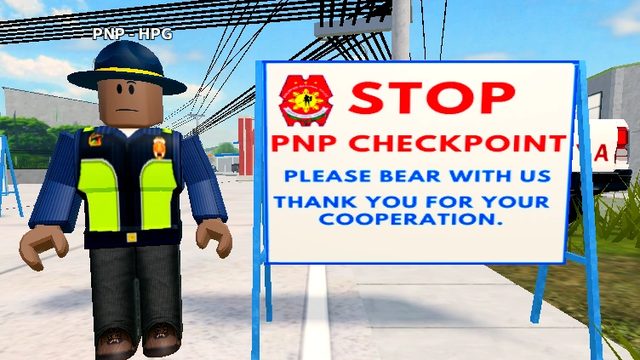
violation, and checkpoints between 7am and 6pm at Triple Junction in Matungao are where it gets checked.
Keeping EXP positive on a long shift
- Say the fare out loud before you take the cash. It is harder to forget than a number you only thought about.
- Keep the change box stocked so you are never forced into a shortcut on sukli.
- Refuel before the halfway point of a long route rather than at the end of it.
- Repair damage between trips. A jeepney limping into a checkpoint is a jeepney with no lights and a ticket
waiting.
- Do the LTO paperwork early. Once the licence, registration and franchise are done, checkpoints stop being a
EXP and cash problem and become an inconvenience.
FAQ
What is the fastest way to earn EXP?
Short, clean, repeated runs on the flat-fare route. Crashes and wrong change cost more time than they save.
What does 500 EXP unlock?
Code redemption. The code menu stays closed until you cross it.
Is EXP deducted for a crash?
Yes. A collision costs EXP and damages parts, and the repair bill is separate.
How do I get reputation points?
They build up through play. The VIP pass doubles the rate at which you earn them.